
Data-Driven Planning for Maternal and Newborn Health (MNH) Products


Building a Strong Foundation for Forecasting
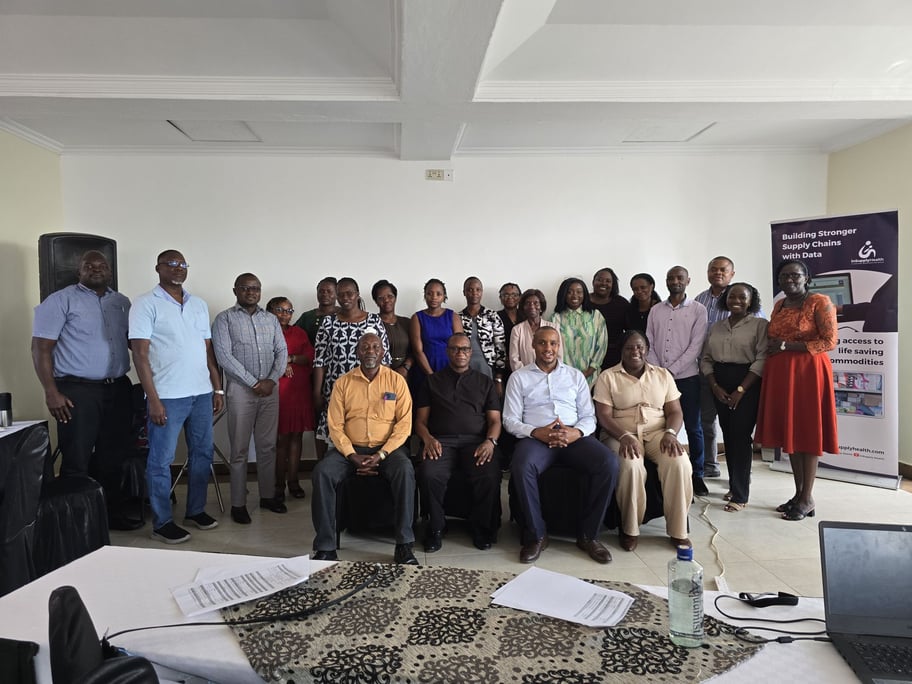
Accurate quantification and forecasting of MNH products is central to ensuring that lifesaving supplies reach the facilities and communities that need them most. During the workshop, participants collaborated to review existing consumption and service delivery data, validate quantification assumptions, and strengthen capacity in evidence‑based forecasting approaches.
This structured, data‑driven process led to the development of a new quantification report covering 24 essential MNH products. The report is designed to serve multiple purposes:
- A reference tool for central and county planning
- A foundation for annual budgetary allocation
- An advocacy resource to support prioritisation of lifesaving health products and technologies
By bringing together diverse perspectives from national programs, supply chain institutions, and county governments, the workshop fostered a shared understanding of MNH product needs across Kenya.
Strengthening Supply Chain Readiness
Each step of the quantification process plays a critical role in ensuring that the supply chain remains responsive to real‑world needs. Robust forecasting helps minimize stock‑outs, reduce wastage, and improve planning for procurement and distribution cycles. Ultimately, these improvements translate into better access to essential MNH commodities for mothers and newborns—and contribute to reducing preventable morbidity and mortality.
The workshop therefore not only addressed immediate quantification tasks but also strengthened long‑term capacity for evidence‑based decision‑making within the MNH supply chain.
Collaboration Across Institutions
Through Daniel Menge, HPA provided technical support to the initiative, working alongside partners including CHAI and the Lwala Community Alliance. Other key participants included the Directorate of Health Products and Technologies (DHPT), the Kenya Medical Supplies Authority (KEMSA), and representatives from Isiolo, Kakamega, Nairobi, Nakuru, and Trans Nzoia Counties.
This broad collaboration reflects a shared recognition that improving MNH outcomes requires seamless coordination—from data collection and analysis to procurement and last‑mile distribution.
Looking Ahead
As Kenya continues to invest in strong, evidence-driven systems for maternal and newborn health, this quantification effort marks an important step forward. By grounding planning in accurate data and fostering collaboration across sectors, stakeholders are helping build a more resilient and responsive supply chain—one that ensures mothers and newborns have reliable access to the products they need to thrive.


What do you think?